TL;DR. The Concierge is the WRKS Online human expert team that builds, supervises, and operates each client’s AI Growth Agent. The agent is the mechanism behind AI growth marketing; the Concierge is the judgment on top of it. Every engagement has one. The Concierge sets strategy, approves customer-facing assets before launch, manages day-to-day decisions, handles escalations, and reports against the revenue target. Without the Concierge, the agent drifts. Without the agent, the Concierge cannot ship at the speed agentic growth marketing requires.
What Does the Concierge Actually Do?
The Concierge handles the work that humans do better than the agent. Brand judgment. Offer design. Compliance review in regulated industries. Strategic budget decisions. Customer escalation handling. Reporting to ownership.
On a typical week for an active engagement, the Concierge runs:
- A weekly strategy review with the client owner or marketing lead
- Daily performance triage on paid campaigns, email flows, and conversion rates
- Asset approvals before anything customer-facing goes live
- Compliance review against the industry’s regulatory requirements (HIPAA for healthcare, FINRA for finance, state bar rules for law)
- Vendor and tool decisions inside the stack
- Monthly reporting against the contractual revenue target
- Quarterly business review with leadership
The agent ships production. The Concierge ships direction.
Why Does the WRKS Online Engagement Need a Human Layer at All?
Because AI cannot do everything well. The categories where AI still underperforms a senior operator are exactly the categories that determine whether the engagement produces revenue.
Brand voice judgment. AI can write in your voice once trained on your samples, but it cannot tell you when the voice itself needs to evolve. The Concierge listens to customer calls, watches market shifts, and updates voice guides when the brand needs to.
Offer design. The right offer changes per market, per season, per buyer intent. The Concierge designs offers from the conversation pattern WRKS has across many clients, not from the training data of a single model.
Compliance. Regulated industries change policy faster than AI models update. HIPAA tracking rules, Meta healthcare advertising restrictions, state bar advertising guidelines all shift quarterly. The Concierge stays current. The agent inherits the rules.
Escalation. When a customer complaint shows up in inbox, when a paid campaign produces an unexpected pattern, when a strategic decision needs ownership sign-off, the Concierge handles it. The agent does not pretend to have authority it does not have.
Reporting. Numbers without narrative are noise. The Concierge translates dashboards into the language ownership needs to make decisions.
Who Is on the Concierge Team?
The Concierge is staffed by the four WRKS Online operators plus contract specialists who plug in per engagement. The four are:
Tristan Guilbeault, CEO. Sets system architecture and strategic positioning. Builds the methodology that powers every engagement.
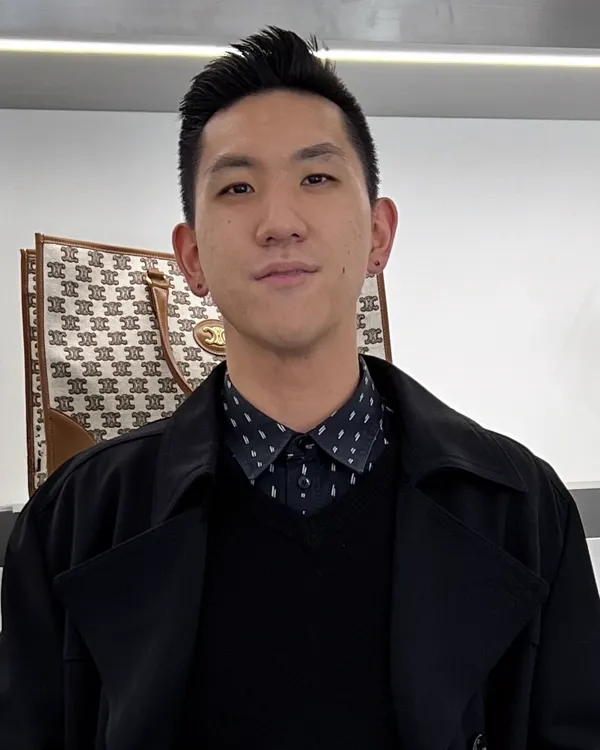
Robert Lu, Lead Account Manager. Owns client operations end to end. Translates direction into execution. The luxury hands-free experience that defines the Concierge is delivered on his watch.
Scott Kennedy, AI Operations Director. Architects the AI infrastructure that runs every engagement. Keeps WRKS at the front of the AI curve as models, tools, and capabilities ship weekly.
Christian Gonzalez, Marketing Director. Owns the media deployment layer. Paid media across every channel that produces qualified pipeline runs through his desk.
Each engagement gets a primary Concierge contact. Most clients work directly with Robert or one of his account leads for day-to-day operations, with the other operators stepping in on the work that matches their domain.
What Is the Difference Between the Concierge and a Traditional Account Manager?
A traditional agency account manager is a coordinator. They schedule meetings, relay messages between specialists, and report on what got done. They do not own outcomes.
The Concierge is accountable to the contractual revenue target. Every action the Concierge takes serves that target. The reporting is not about activity, it is about progress against the number the engagement was sold on.
This shows up in how the engagement runs week to week. A traditional agency runs weekly meetings to discuss “what we did last week.” The Concierge runs weekly meetings to discuss “are we on track to hit the number, what is at risk, and what is the adjustment.”
The structural difference is incentive. A traditional agency gets paid the same whether the campaign hits or misses. The Concierge gets paid based on the engagement hitting the target. If the target misses by end of the 90-day Catalyst window, the engagement fee gets refunded.
How Often Does the Client Interact with the Concierge?
Weekly at minimum during active engagements. Daily during the Launch and Adapt phases of BLAS when decisions move fast.
The contact pattern looks like:
- Weekly 30 to 60 minute strategy call with the primary Concierge contact
- Slack or email access for asset approvals and quick decisions (typical response within 4 hours)
- Monthly business review with the full WRKS leadership team
- Quarterly planning session against next-quarter targets
Owners of growing businesses do not want to be in marketing meetings every week. The Concierge model is designed for that constraint. The expectation is one decision-quality conversation per week, with the agent doing the rest.
Does the Concierge Scale with the Client?
Yes. The Concierge composition flexes with engagement complexity. A single-location dental practice gets a smaller Concierge footprint than a 12-location DSO. A startup running one growth motion gets a smaller footprint than a portfolio company running five.
This is why Catalyst pricing has a band rather than a single number. The Concierge time scales with how much supervision the engagement needs. Lower-complexity engagements run at the lower end of the band. Higher-complexity engagements run at the higher end.
Enterprise engagements get the Concierge embedded with the client’s in-house team. Instead of a weekly cadence, the embed pattern looks like daily syncs and joint workflow ownership. The Concierge architecture stays the same. The contact intensity increases.
What Happens If the Concierge Is Wrong About Something?
The Concierge documents every strategic decision with the reasoning. If a decision turns out wrong, it gets reversed and the system gets updated to catch the pattern next time. WRKS does not optimize for being right. It optimizes for catching the wrong answer fast.
In practice, the Concierge produces a weekly decision log. Approved campaigns. Killed campaigns. Budget reallocations. Offer pivots. Each decision has a rationale and a measurable outcome attached. When the rationale was wrong, the system adapts.
This is what “supervised” means in the agent’s job description. Supervision means approval plus documented judgment that the system learns from.
If you want to see what the Concierge looks like working on your engagement, book a discovery call. You will meet the primary contact who would own your account before any commitment.